
Patients request an appointment callback with a missed call from any phone, with no app, internet or waiting on hold. Your team sees every request and calls back to confirm.
Healthcare missed-call booking allows patients to request an appointment by calling a designated number that disconnects before the call is answered. The system captures the request, sends an automatic SMS acknowledgement and adds it to the clinic's callback list. The appointment is then confirmed by clinic staff, or through an integrated scheduling workflow where one is set up. It suits clinics, hospitals and diagnostic centres, and is part of MetaReach Marketing's healthcare communication solutions.
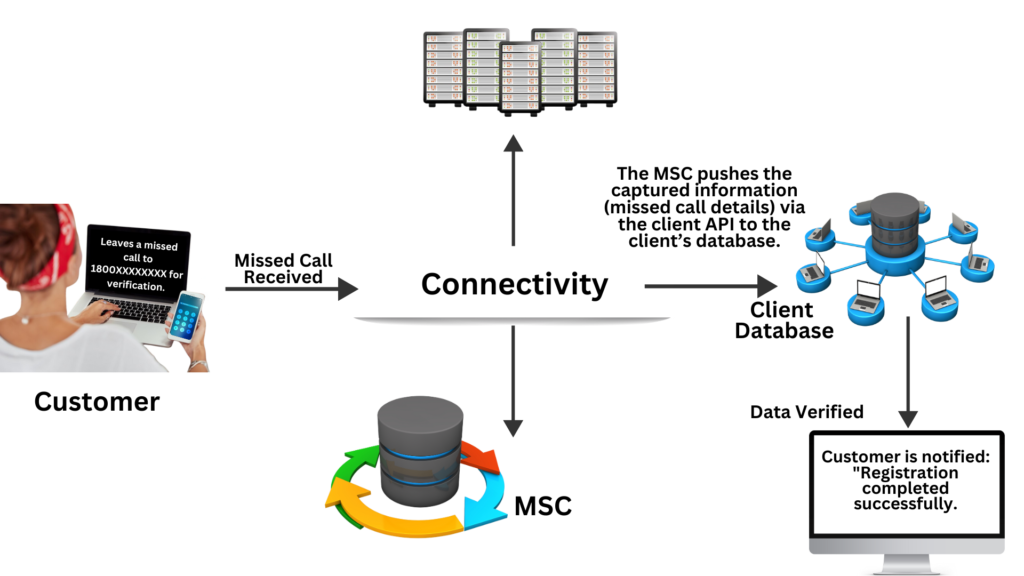
A missed call is a callback request. It becomes an appointment only when the clinic and patient agree a slot.
An illustrative workflow, not a guaranteed implementation:

In every case, the missed call is a request; the appointment is confirmed in the callback.
Missed-call booking: the patient requests a callback by calling a designated number. It suits simple workflows where the clinic calls patients back to book.
IVR appointment booking: the patient interacts with an automated phone menu to choose a department or option. It suits hospitals where callers need to reach several departments or appointment types.
Neither is better in every case, and many hospitals use both. See IVR for hospital appointment booking.
Not every HMS, CRM or scheduling platform can be connected. We assess your integration requirements before setup.
The missed-call dashboard shows incoming requests with the caller's number, time and source, and SMS or email alerts can notify staff when a new request arrives. Statuses such as called back, unanswered or booked are usually recorded by staff, or in your CRM if requests are pushed there, so the clinic can see which enquiries are still pending.
Patients request a callback by placing a missed call to the designated number. The call is designed to disconnect before it is answered, which helps keep the cost of requesting an appointment low. Actual charges may depend on the caller's telecom operator and plan. The callback is made by the clinic or the configured system.
A typical use case is a clinic network serving smaller towns, where many patients have no smartphone or data: a missed-call number on posters and prescription slips lets them request a callback without visiting. Our healthcare communication case studies describe this and other workflows as anonymised use cases; we publish client figures only when they are verified and the client agrees.
MetaReach Marketing works from Greater Noida and sets up missed-call booking for clinics and hospitals across Noida, Greater Noida and Delhi NCR, and remotely anywhere in India. Plans and number options are on our main missed call service page. Pair it with appointment reminder SMS or WhatsApp API for healthcare for confirmations and reminders.
The clinic publishes a dedicated number. A patient calls it and the call disconnects before it is answered. The system records the number and time, sends the patient an automatic SMS acknowledgement, and shows the request in the clinic's dashboard, where staff call the patient back to agree an appointment slot.
No. A missed call creates a callback request, not a confirmed appointment. The appointment is confirmed during the callback, either by clinic staff or through an integrated scheduling workflow, once a date and time have been agreed with the patient.
The call is designed to disconnect before it is answered, which helps keep the cost of requesting an appointment low. Whether any charge applies depends on the caller's telecom operator and plan, so the page does not promise that every missed call is free.
Yes. Requests appear in the missed-call dashboard with the caller's number and time, and staff call back and record the appointment in whatever system the clinic already uses, even a register or spreadsheet. Scheduling software integration is optional.
Yes, during the callback. The missed call itself only signals that the patient wants an appointment; the date, time and doctor are agreed when the clinic calls back, based on the slots available.
Each call is logged with the caller's number and time, so repeat calls from the same number are visible in the call history. Staff can see that a patient has called more than once and call them back once, instead of treating each call as a new request.
Yes. An automatic SMS can acknowledge the missed call immediately, and a confirmation SMS with the date, time and clinic address can be sent once the appointment is booked, using DLT-registered templates.
The request stays in the dashboard as pending, so staff can try again later. Many clinics also send an SMS asking the patient to call back or give another missed call when they are free.
Missed-call data can be pushed to a CRM or other system through an API or webhook. Whether it can create entries in a particular hospital management system depends on that software, so integration requirements are assessed before setup.
The dashboard lists every missed call with its number and time, and alerts by SMS or email can notify staff when a new request arrives. Clinics typically mark requests as called back or booked to keep track of what is still pending.
From startups to enterprises - brands that grow with MetaReach