
Rich Communication Services (RCS) is moving from pilot projects to core infrastructure for large Indian enterprises. This guide walks through what an enterprise buyer actually needs to evaluate before committing: vendor criteria, integration complexity, compliance requirements, and a realistic rollout timeline.

Rich Communication Services (RCS) is moving from pilot projects to core infrastructure for
large Indian enterprises — banks, NBFCs, e-commerce platforms, and telecom-adjacent
businesses are evaluating it as a WhatsApp alternative or complement. But adopting RCS at
enterprise scale is a different decision than a small business signing up for a self-serve
plan. This guide walks through what an enterprise buyer actually needs to evaluate before
committing: vendor criteria, integration complexity, compliance requirements, and a
realistic rollout timeline.
Looking for a quick overview of what RCS is and how it works? See our
RCS Messaging page. Looking for
pricing plans and tiers? See
RCS Pricing India 2026.
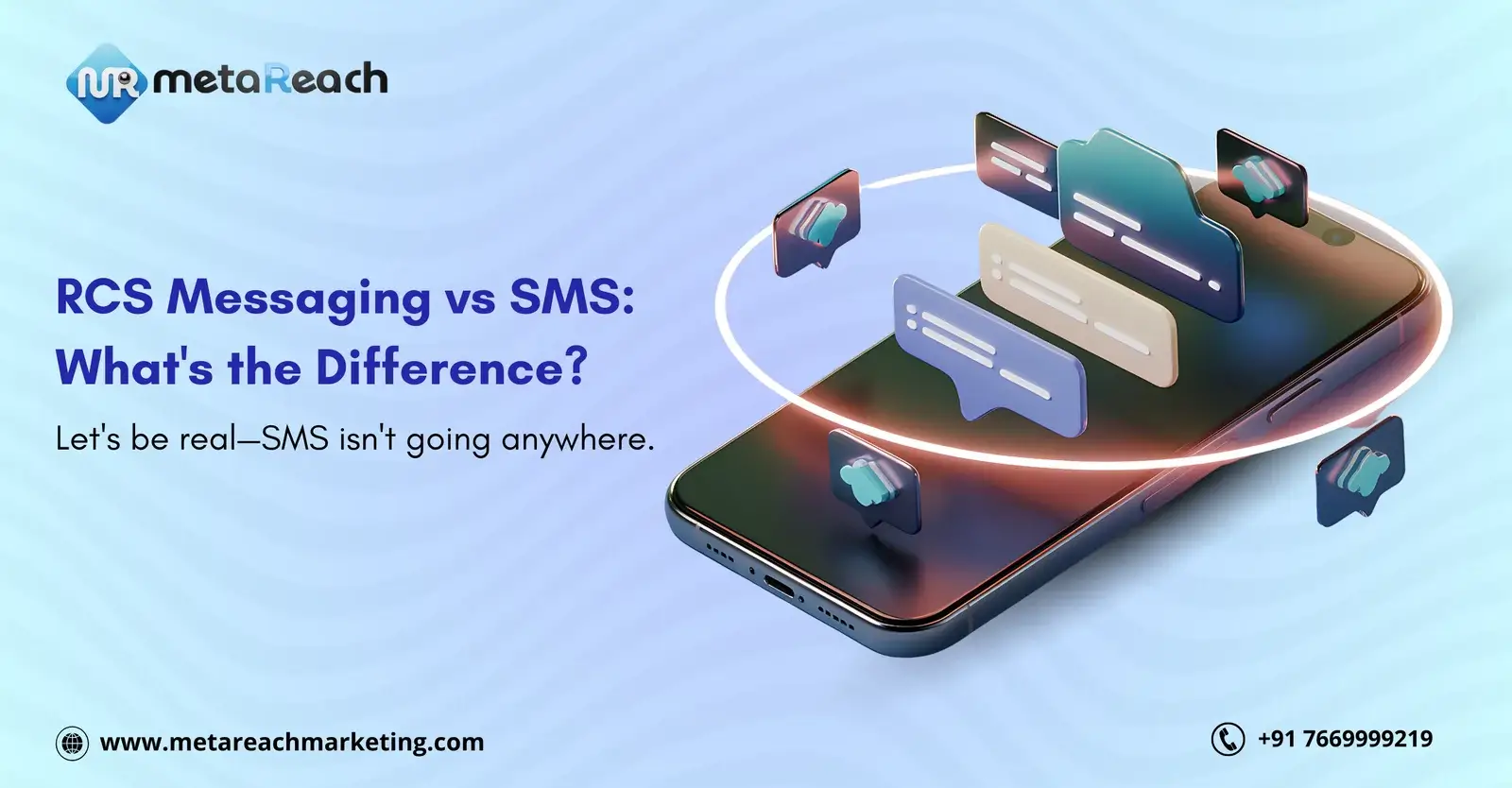
Before evaluating vendors, confirm RCS solves a real problem for your organization. Use this checklist:
If you answered yes to two or more of these, RCS is worth a structured evaluation.
When comparing RCS messaging vendors for enterprise deployment, evaluate against these criteria — not just price per message:
| Criterion | What to Ask the Vendor |
|---|---|
| Verified Sender Status | Does the vendor manage Google's RCS Business Messaging verification process for you, or is it self-service? (Note: this is Google brand verification, not TRAI DLT — DLT applies to SMS, not RCS.) |
| SMS Fallback Compliance | If a message falls back to SMS, does the vendor also handle DLT registration for that SMS channel, or is that a separate process your team manages? |
| API Reliability | What is the documented uptime SLA? Is there a status page or incident history available? |
| Delivery & Read Receipts | Does the platform provide real-time delivery/read receipt webhooks, or only batch reporting? |
| Support SLA | What is the guaranteed response time for a production incident (not a sales inquiry)? |
| Fallback Channel | If a message can't be delivered via RCS (unsupported device), does the platform auto-fallback to SMS? |
Enterprise RCS deployment typically touches three systems:
Realistic integration effort: For a team already integrated with SMS/WhatsApp APIs, adding RCS via a well-documented REST API typically takes 1-3 weeks for a basic send-and-track integration, longer if building interactive/conversational flows.
A typical enterprise RCS rollout follows this pattern:
If you're also sending SMS alongside RCS, that SMS traffic still needs its own TRAI DLT registration — the two compliance processes are separate and don't block each other.
Timelines vary based on how quickly your compliance and IT teams can move, and whether the vendor manages verification on your behalf.
For a deeper look at DLT requirements specifically, see our DLT Registration Support page.
| Self-Serve | Managed Enterprise Onboarding | |
|---|---|---|
| Setup | You configure sender registration, Google verification, and integration yourself | Vendor's team handles Google brand verification and initial integration for you (and DLT registration too, if you're also sending SMS) |
| Timeline | Faster to start, but troubleshooting is on your team | Slightly longer setup, but fewer surprises during verification |
| Best for | Smaller teams comfortable with API documentation | Large organizations needing compliance sign-off and dedicated support |
| Support | Standard ticket-based support | Dedicated account manager, priority SLA |
Beyond the evaluation table above, these are worth asking directly on a sales call — the answers reveal how mature the provider's platform actually is:
Need a provider that already answers all of the above? See MetaReach's full RCS Messaging Service — direct Jio/Airtel/Vi integration, Google verification handled for you, and transparent per-message pricing.
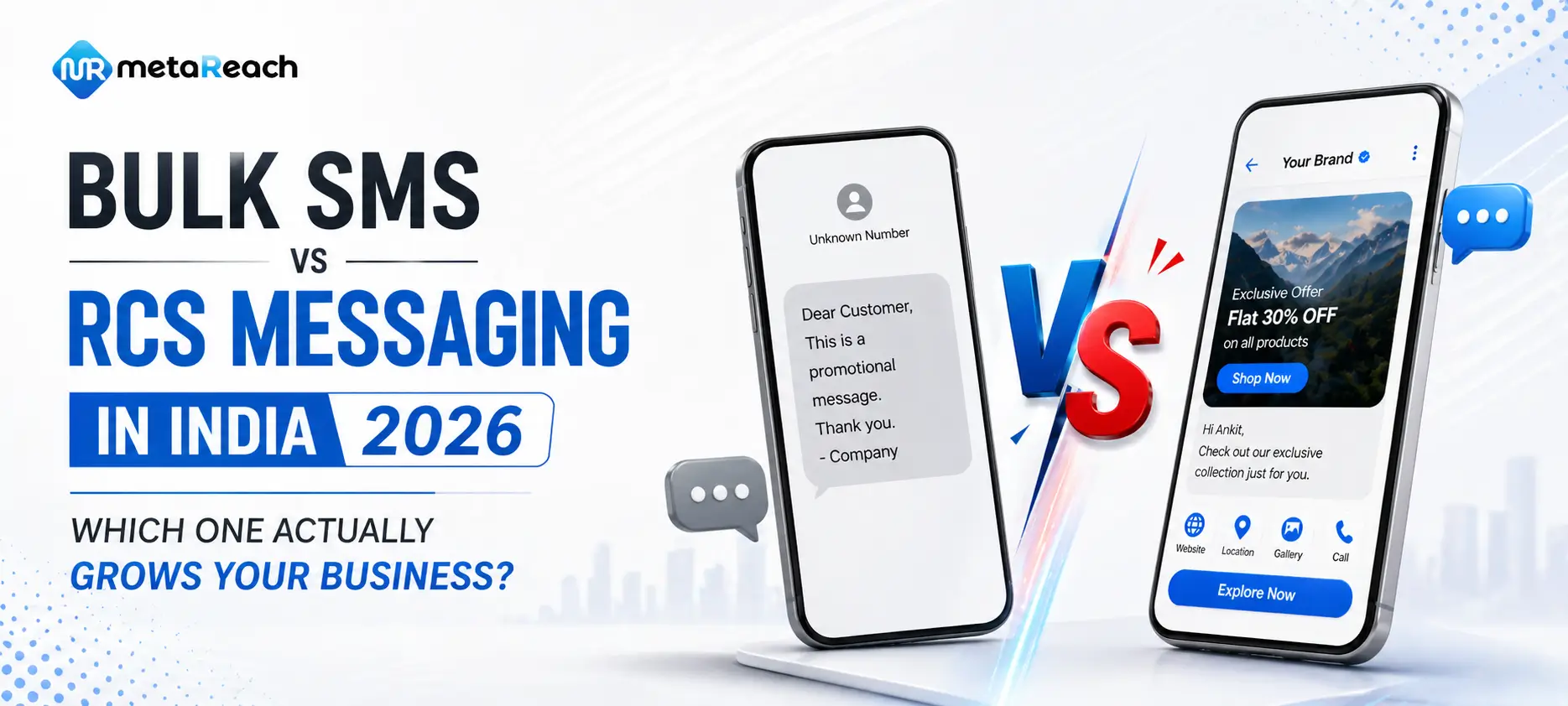
RCS supports rich media (images, carousels, buttons) and read receipts, while SMS is plain text with universal device reach. Most enterprises use RCS to enhance engagement on supported devices while keeping SMS as a fallback.
No — DLT registration is specific to SMS and doesn't apply to RCS at all. RCS senders instead go through Google's RCS Business Messaging (brand) verification, which is a separate process from TRAI's DLT platform. If your enterprise sends both channels, your existing SMS DLT registration stays as-is and you complete Google verification independently for RCS.
Yes. Many enterprises run RCS and WhatsApp in parallel, routing messages based on which channel the customer's device supports, to maximize reach.
A properly configured integration should automatically fall back to SMS, so the message still reaches the customer — confirm this fallback behavior with your vendor before rollout.
Evaluating RCS for your organization? Talk to our team about a pilot rollout, or explore our RCS pricing plans to estimate cost at your volume.

From startups to enterprises — brands that grow with MetaReach





































Guides, comparisons, pricing & city coverage — everything about RCS business messaging in India
Ready to launch your first RCS campaign? MetaReach handles setup end to end — go-live timing depends on brand/agent approval, carrier readiness and your creative or API setup.